

- Minor AC repairs cost far less than full system replacements
- Early attention reduces energy use and household stress
- Small warning signs usually appear before serious breakdowns
1. Warm Air Coming From Vents
A cooling system should never blow warm air when the temperature setting calls for lower indoor conditions. A common example occurs when the compressor fails or refrigerant escapes through a leak. Someone may think the thermostat is the issue and keep lowering the temperature, but the system keeps blowing warm air regardless. This signals time to reach out for AC repairs before the situation gets worse.- Warm air often points to low refrigerant issues
- Compressor malfunction is another common cause
- A thermostat misreading can also mislead the system

2. Airflow That Feels Weak
Strong airflow helps a home cool evenly, and a sudden drop suggests blockage or equipment fatigue starting to take hold. A technician once located a nest inside ductwork that slowed the entire system to a crawl. Even without something extreme, clogged filters or worn-out blower motors create weak airflow that leads to discomfort and energy waste. Letting this continue forces deeper problems.- New filters improve airflow instantly
- Blocked ducts strain entire HVAC systems
- Fan motor problems reduce both cooling and air movement
3. Frequent Shut-Off Cycles
Cooling shouldn’t bounce on and off every few minutes. Short cycling often shows up when sensors struggle to regulate temperature or airflow can’t move freely. One home’s AC short cycled so often that the homeowner thought the thermostat had become haunted. Fast cycling means the system keeps trying and failing to reach the goal temperature, and AC repairs are needed to stop damage from snowballing.- Thermostat malfunction can trigger rapid cycling
- Iced evaporator coils interrupt normal cooling patterns
- Electrical problems make the unit restart repeatedly
4. Sticky Indoor Air With High Humidity
Comfort depends on moisture control inside the home as much as temperature. The U.S. Environmental Protection Agency recommends indoor humidity between 30 and 50 percent for health and structural protection. When humidity climbs past those levels, a cooling system may be failing to dehumidify. Higher humidity signals AC repairs are approaching fast.- Moisture buildup encourages mold growth
- Air feels warmer when humidity rises
- Dehumidification is a key AC system function
5. Water Pooling or Leaking
Small amounts of condensation form naturally during cooling, but puddles should never appear near the system. Condensate drain lines clog easily when dust and microbial growth settle inside. Homeowners sometimes notice drywall bubbles or soft floors near the unit, revealing hidden moisture damage. Water leaks increase repair costs quickly, so ignoring them isn’t wise.- Leaking may indicate clogged drains
- Ice buildup on coils melts into unwanted puddles
- Moisture damage spreads quickly if left alone

6. Funky or Burning Smells
Fresh, clean air should flow from every vent. A musty smell often means moisture has gathered where airflow is trapped, like around a dirty coil or filter. A sharp burning smell raises even more urgency because it may involve overheating wires. AC repairs can stop dangerous conditions and improve indoor air quality at the same time.- Mold odors indicate hidden moisture
- Burning scents suggest electrical strain
- Fresh air flow reassures that components are clean
7. Odd Grinding or Rattling Sounds
Mechanical equipment speaks through sound long before it fails. Squealing can mean belt wear. Grinding can mean motor damage. Rattling may mean something loose has started bouncing around inside. Listening closely helps prevent breakdowns and makes AC repairs easier and cheaper.- Strange sounds show parts are out of sync
- Long-term noise leads to expensive fixes
- Silence means working harmony inside the system

8. Thermostat Problems That Cause Confusion
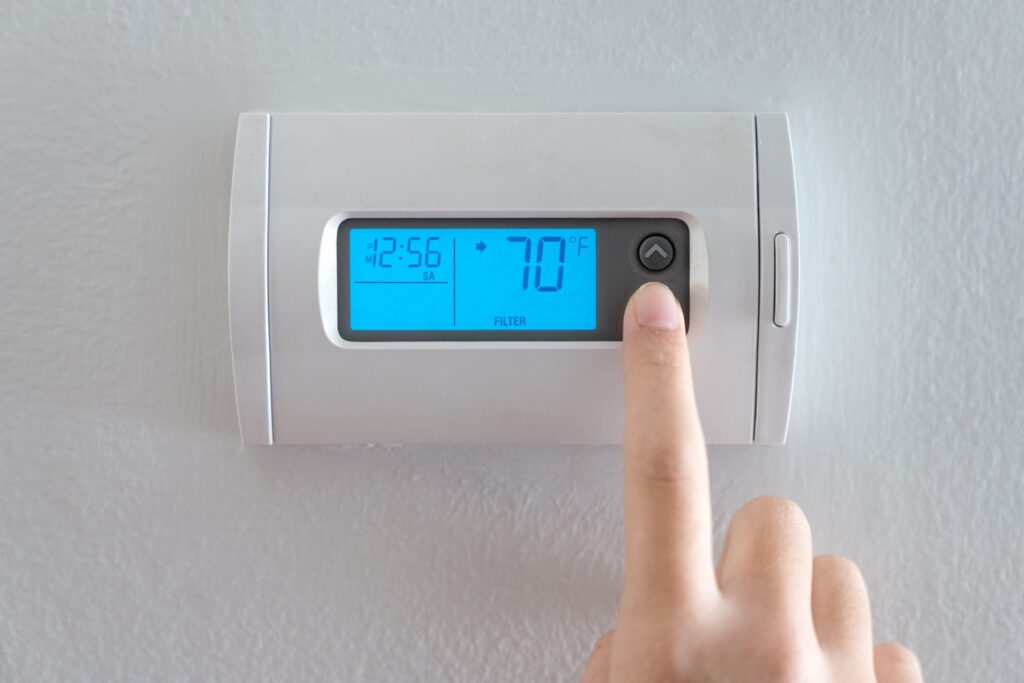
Even a perfectly healthy AC will misbehave if instructions from the thermostat fall out of alignment. People sometimes notice one room feels cool while another feels untouched, and guessing at temperature settings becomes a game. When temperature commands appear ignored, the thermostat’s sensors or wiring may need AC repairs.- Faulty sensors misread room temperature
- Incorrect wiring blocks communication
- Software issues confuse system performance
9. Energy Bills Rising Without Reason
Utility statements often reveal performance concerns before a homeowner hears or feels anything wrong. When cooling equipment strains due to faulty parts, power use spikes quickly. The U.S. Department of Energy reports heating and cooling consume close to half of home energy nationwide. Big bill jumps could point toward AC repairs waiting to be scheduled.- Spikes mean the AC is working harder
- Inefficiency drains money every month
- Early fixes limit oversized energy waste

10. Dust and Allergens Filling the Air
The AC system filters particles constantly during operation. A clogged filter or damaged ductwork sends these particles straight into the living space. People start coughing or sneezing more, and dust coats furniture faster than usual. AC repairs help restore healthy airflow and remove irritants.- Poor filtration affects breathing comfort
- Leaks in ducts pull contaminants inside
- Clean coils and filters improve indoor life
Staying Ahead of AC Repairs
Ignoring warning signs piles stress onto equipment that already battles heat daily. A slight fix now prevents the far pricier future of full replacements or water restoration. When any of these signs appear, quick action protects health, comfort, and the wallet. Annual inspections reduce surprise breakdowns and stretch the lifespan of expensive equipment.- Early AC repairs protect major system components
- Routine inspections stop emergencies before they start
- Comfort stays reliable throughout long summers
Key Takeaways: AC Repairs That Keep Problems Small
- Warm air and uneven cooling mean the system is struggling to meet temperature needs
- Weak airflow and short cycling often point to blockages or pressure imbalance
- High humidity and water leaks raise the risk of mold and home damage
- Bad smells and loud noises signal electrical or mechanical wear
- Energy spikes and rising allergy symptoms show filtration problems
- Fast AC repairs prevent bigger failures and premature replacement
Frequently Asked Questions
Why does warm air come out when cooling is selected? Refrigerant loss or compressor trouble stops heat removal, and the system may blow air without cooling it first. How do weak ventilation signs relate to AC repairs? Reduced airflow suggests filter buildup, duct leaks, or fan damage that a technician can correct before the strain spreads. What makes indoor humidity rise during cooling season? Condensation doesn’t happen properly when coils freeze or when refrigerant load falls low, and moisture stays indoors instead. Do strange odors always mean mold? No, some odors relate to charged wiring, belt friction, or dust burning off components that need AC repairs quickly. Why do energy bills climb when the AC acts sluggish? Mechanical imbalance means cooling takes longer, and electricity use climbs until the underlying issue is repaired.- About the Author
- Latest Posts

SLM AC & Refrigeration specializes in residential and commercial HVAC services, backed by a decade of industry experience. The company’s expertise ranges from simple residential settings to complex industrial chillers.